Committee profile
Key room details for delegates.
- Room Size
- Double Delegation
SSUNS 2026 • Montréal

General Assemblies
Combatting Environmental Crime Worldwide.
Committee profile
Key room details for delegates.
Delegate documents
Essential links for preparing this committee.
Resources
Committee resources will be added here as they are released.
Use this committee's form to submit your position paper.
Background Guide
This committee's background guide is now available. Use the password provided by your faculty advisor if prompted.
Contact
If you have questions, please contact Emma Ristic at gaecosoc@ssuns.org.
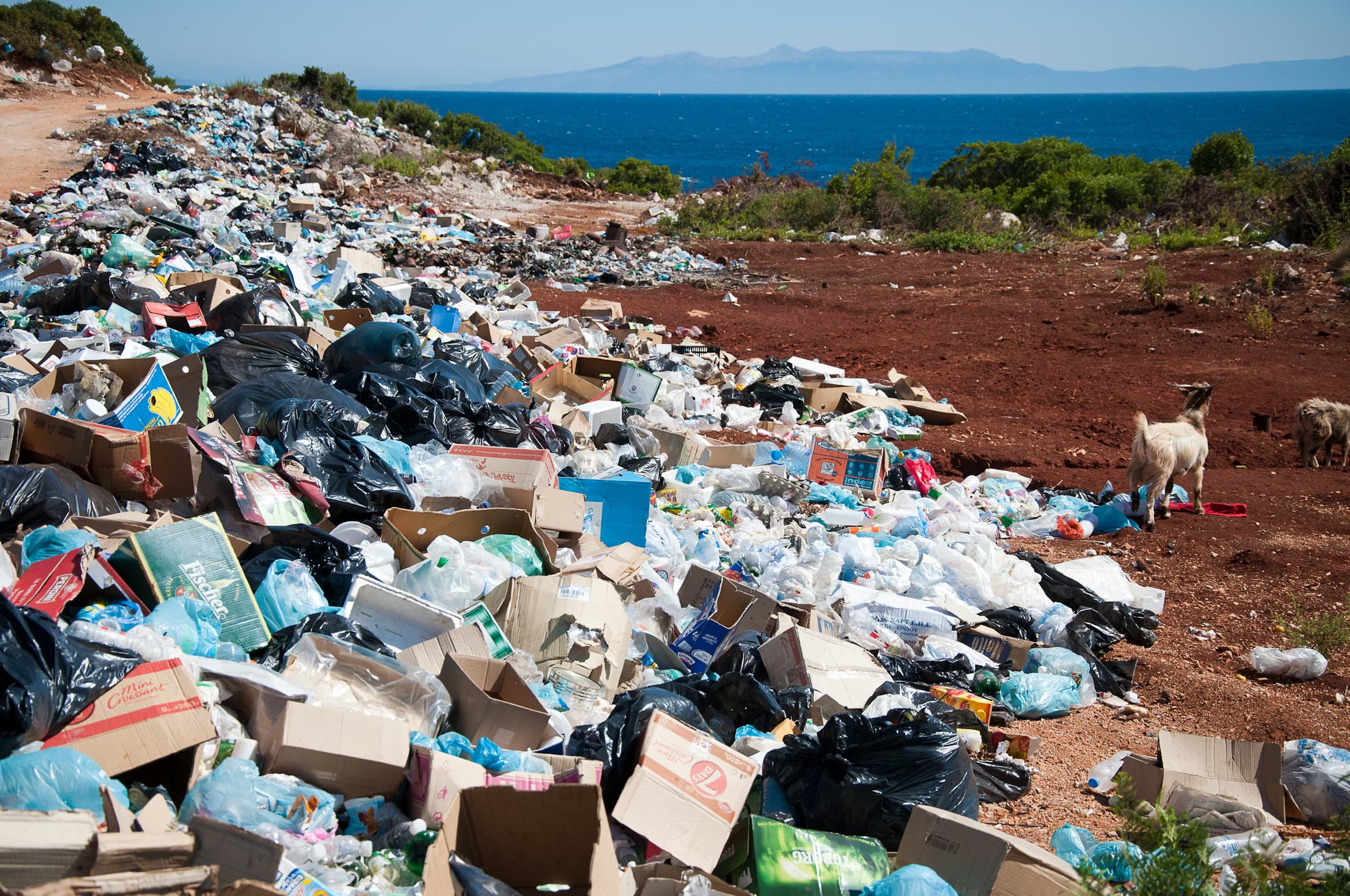
The Commission on Crime Prevention and Criminal Justice (CCPCJ) is a functional commission of the Economic and Social Council (ECOSOC), established through ECOSOC resolution 1992/1 upon request of General Assembly resolution 46/152. Focused on crime prevention, criminal justice, and the rule of law, the CCPCJ serves as a central forum where member states can collectively address criminal challenges. In this iteration, the committee will focus on three pressing environmental crimes: the illegal trafficking of wildlife, illicit mining and resource extraction, and the unlawful dumping of hazardous waste. While the CCPCJ functions primarily as a policy-making rather than an enforcement body, its core objective is to facilitate international cooperation among member states in promoting a safer world and preventing crime. Through capacity-building initiatives and information-sharing, the commission works to generate timely responses to crime, particularly when the environmental integrity of countless ecosystems is at stake. The illegal trafficking of wildlife represents one of the most destructive forms of transnational organized crime, threatening not only biodiversity but also global security. It encompasses the illicit trade of animal and plant species, as well as high-demand materials such as ivory. Similarly, illicit mining and resource extraction have grown into some of the most lucrative criminal activities in the world, frequently interlinked with corruption and serving as a key source of financing for transnational criminal networks and terrorist organizations. The unlawful dumping of toxic waste compounds these threats further, posing severe risks to ecosystems and human health by contaminating soil and water in ways that are often irreversible. These crimes do not operate in isolation. Criminal networks increasingly exploit online platforms and weak border controls to traffic wildlife, extract resources illegally, and dispose of hazardous waste across the globe. They tend to concentrate in regions marked by corruption, fragile legal systems, poverty, and limited state presence: compounding existing vulnerabilities and deepening social, economic, and political instability for the communities affected. Delegates must therefore consider how stronger legal frameworks, enhanced international cooperation, targeted community intervention, and more effective policy can work in concert to combat environmental crime and protect vulnerable populations worldwide.