Committee profile
Key room details for delegates.
- Room Size
- Single Delegation
SSUNS 2026 • Montréal

Joint Crisis Committees
Russian Empire vs. British Empire.
Committee profile
Key room details for delegates.
Delegate documents
Essential links for preparing this committee.
Resources
Committee resources will be added here as they are released.
Background Guide
This committee's background guide is now available. Use the password provided by your faculty advisor if prompted.
Contact
If you have questions, please contact Will Greer at crisis@ssuns.org.
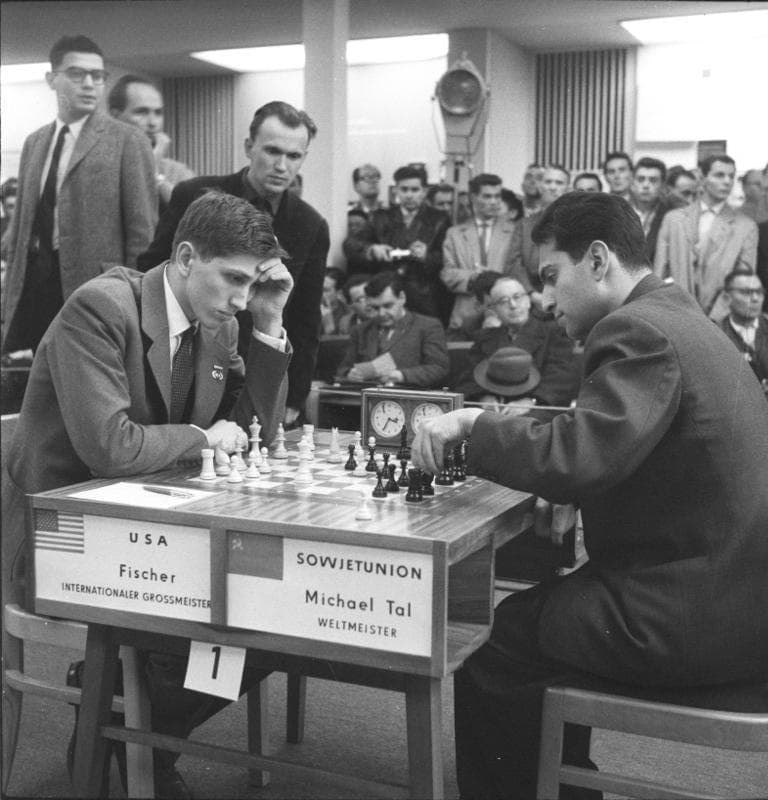
Post-Napoleonic wars, newly developed military technology heightens the threat of war and destruction… but maps, not muskets, may be your best path to controlling Central Asia, all without a single drop of bloodshed. The British value their crown jewel of India above all else, and London fears that any hint of Russian expansion southward may threaten both their colonial authority and their dominance over crucial trade routes linking Europe to Asia. Meanwhile, the Russian Empire seeks to expand its influence across Central Asia through military presence, political alliances, and territorial expansion, hoping to solidify itself as a dominant continental power. Czar Nikolai I is determined to pursue an aggressive expansionist policy, especially along the somber Caspian shores and within the snow-covered peaks of the Caucasus. Although no formal war has been declared, tensions between the two empires continue to intensify in what will later become known as “The Great Game”: a silent struggle fought along the rugged highlands of Afghanistan, the expansive deserts of Persia, and the lively trade routes along the Central Asian steppe. Espionage, diplomacy, cartography, and intelligence gathering have become weapons just as valuable as armies themselves. Explorers, diplomats, military officers, merchants, and local rulers all play critical roles in shaping the balance of power throughout the region, often with unintended consequences for both empires. As Russia and Britain compete for influence, the political future of Central Asia grows increasingly unstable. Local leaders must decide whether to cooperate with imperial powers, resist foreign intervention, or exploit a (for now) cold geopolitical rivalry for their own ambitions. In this crisis committee, delegates will assume the roles of key political, military, and regional figures navigating one of the nineteenth century’s most dangerous imperial rivalries. One must manage fragile alliances, secret operations, territorial disputes, and shifting political interests, all while determining the future of Central Asia and the global balance of power itself. Just as grandmasters in a high-stakes chess match, they must anticipate opponents’ strategies, all while protecting their own assets and position. A single mistake- whether it be a failed negotiation, border dispute, or military expedition- could quickly catalyse open conflict; a well-timed gambit may prophesy a secured victory and a position of hegemony. In this game, Central Asia is the chessboard, its rulers the pieces, and its fate the prize.