Committee profile
Key room details for delegates.
- Room Size
- Single Delegation
- Level
- Beginner
SSUNS 2026 • Montréal

Economic and Social Councils
Advancing Sustainable Agricultural Innovation in the Asia-Pacific Region.
Committee profile
Key room details for delegates.
Delegate documents
Essential links for preparing this committee.
Resources
Committee resources will be added here as they are released.
Use this committee's form to submit your position paper.
Background Guide
This committee's background guide is now available. Use the password provided by your faculty advisor if prompted.
Contact
If you have questions, please contact Emma Ristic at gaecosoc@ssuns.org.
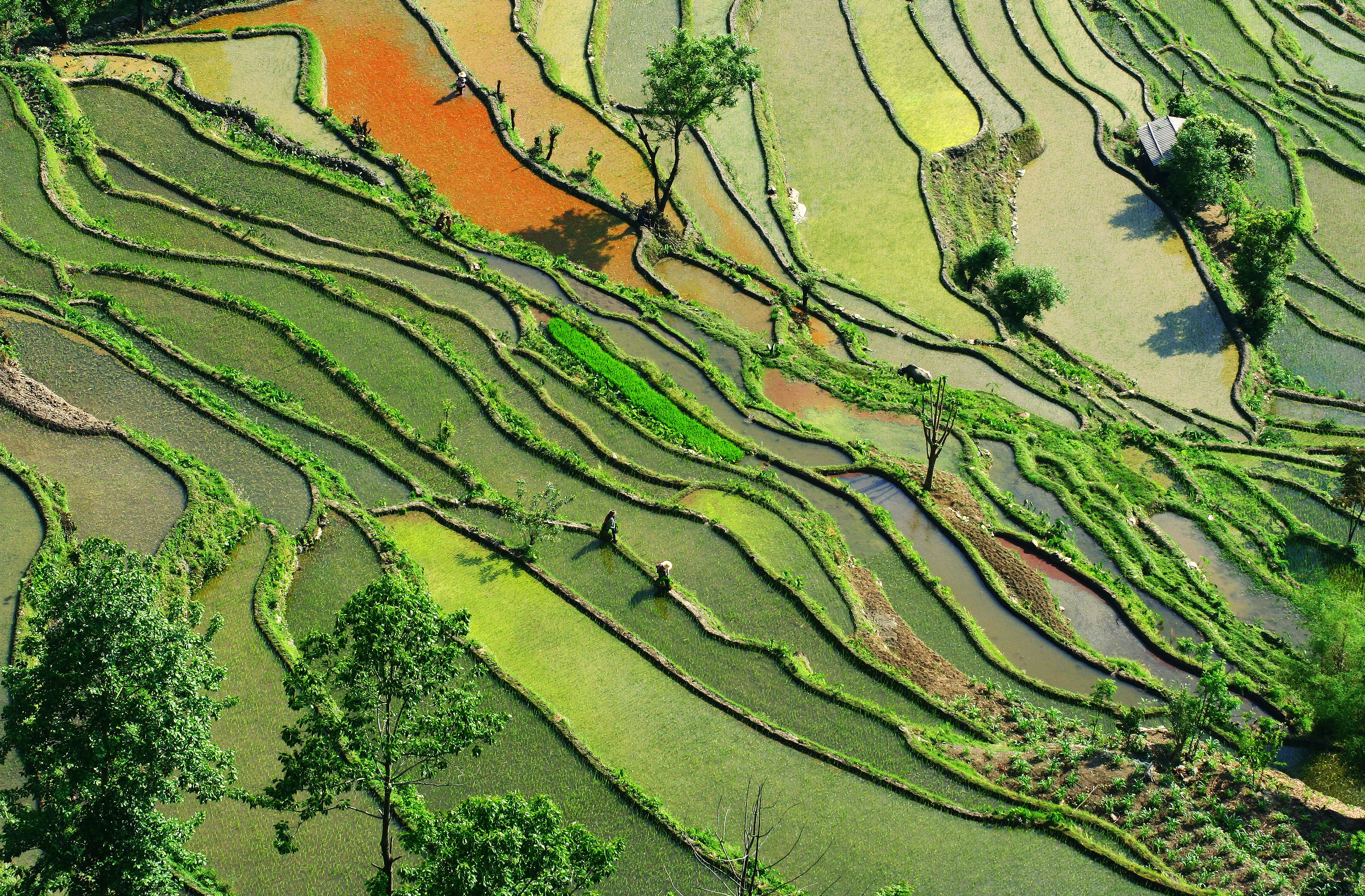
The International Fund for Agricultural Development (IFAD) is an international financial institution and a United Nations specialized agency. It aims to invest in the lives of rural people and tackle hunger and poverty by increasing income, improving food security, and providing mechanisms to build resilience. Delegates will work specifically on the Asia-Pacific region, with the opportunity to create innovative resolutions tailored to the region’s unique obstacles and challenges. Founded in 1977, the IFAD began with the goal of financing and supporting agricultural development in low-income, rural communities, aiming to address global food shortages at the time. Through revolutionizing microfinance and leveraging financial innovation, the IFAD has taken a farmer-first approach. As an international financial institution, the IFAD uses tools such as investment income, special contributions, loan repayments, and the mobilisation of resources to provide assistance to rural development projects with the mandate of eradicating poverty. Now, five decades after its creation, the IFAD has widened its scope and adopted an interdisciplinary approach to the complex agricultural problems of our world, emphasizing inclusion and equity. While underlining the role of gender equality and the importance of bottom-up approaches, the IFAD focuses on Indigenous Peoples, rural youth, women, and people with disabilities. The Asia-Pacific region, specifically, faces food insecurity driven by drastic changes in weather patterns, rising costs of energy and farming tools, and the scarcity of natural resources. As one of the most vulnerable regions in the world to climate change, Asia and the Pacific requires the building of climate-resilient infrastructure, climate-smart agriculture tools, and nature-based solutions. As global temperatures rise and disastrous weather events become increasingly unpredictable, early warning systems are vital and rural populations must be empowered to build resilience in the face of these crises. The IFAD’s goal is to find strong, sustainable strategies for tackling these issues. Delegates must explore feasible solutions that lead to the sustainable management of natural resources, the strengthening of rural economies, the development of new infrastructure, and the assurance of a healthy population. Resolutions to food shortage and agricultural crises must be made with IFAD's strong values in mind, with emphasis on the cooperation of numerous facets of society. IFAD specializes in working together across governments, private and public sectors, as well as civil society groups and farmers. Delegates must directly address these complex problems while considering the complexity of factors such as biotechnology, the use of pesticides, and, importantly, how to ensure these solutions are sustainable and maintainable for future generations.