Committee profile
Key room details for delegates.
- Room Size
- Single Delegation
- Level
- Beginner
- Procedure mix
- Low Crisis • High GA
SSUNS 2026 • Montréal

Specialized Agencies
Constructing the Slavic Identity.
Committee profile
Key room details for delegates.
Delegate documents
Essential links for preparing this committee.
Resources
Committee resources will be added here as they are released.
Use this committee's form to submit your position paper.
Background Guide
This committee's background guide is now available. Use the password provided by your faculty advisor if prompted.
Contact
If you have questions, please contact Eitan Pessin at spec@ssuns.org.
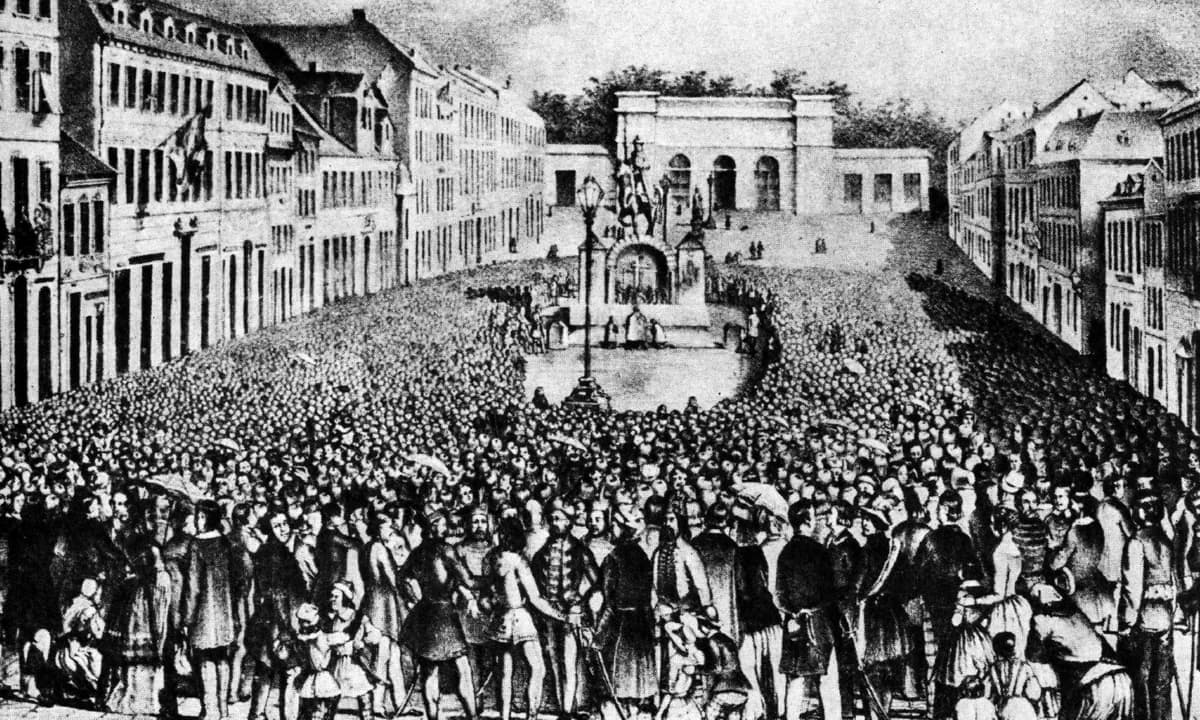
It is 1848, and revolution is sweeping through the heart of Europe. France rises against its last king to establish the Second Republic, and revolutionary fervor spreads rapidly across the imperial continent. It is above all in Eastern Europe, however, that the upheaval strikes deepest. From Prague to Bucharest to Vienna, Slavic peoples are mobilizing in pursuit of greater freedom and self-determination, and delegates from across these lands gather in Prague for an event unprecedented in the history of the region: the First Pan-Slavic Congress. Czechs, Poles, Slovaks, South Slavs, and many others convene with a shared purpose. Their differences are numerous, but their goals converge: to confront their common adversary, the Austrian Empire, and to build a future rooted in the autonomy of Slavic peoples rather than imperial domination. To that end, there is no shortage of contentious issues to resolve. Delegates will debate which languages to recognize, which nations are to be granted autonomy, and above all, the promise of a democratic future for peoples long suppressed by imperial structures. Yet even as these deliberations unfold, revolution rages in the streets below, and the Austrian army stands at the city gates, poised to reassert control. Delegates will thus navigate a volatile confluence of hope and tension. Conservative voices call for caution, restraint, and negotiation, wary of provoking imperial retaliation. Liberal and radical factions, meanwhile, push for sweeping and immediate change. Despite their shared identity and common adversary, opinions diverge sharply, and the risk of fracture is ever-present. All delegates, however, share an acute awareness that Eastern Europe stands at a decisive turning point in its history. There are decades when nothing happens, and there are weeks when decades happen, and this is unmistakably one of the latter. Will the Congress succeed in forging a united vision for Slavic nationalism, laying the groundwork for lasting autonomy and democratic governance? Or will the aspirations of its delegates be extinguished by imperial repression and political compromise? In the streets of Prague, and within the halls of the Congress, the future of Central and Eastern Europe hangs in the balance.