Committee profile
Key room details for delegates.
- Room Size
- Single Delegation
SSUNS 2026 • Montréal

Economic and Social Councils
Addressing Environmental Extraction and Labour Exploitation in the Fast Fashion Industry.
Committee profile
Key room details for delegates.
Delegate documents
Essential links for preparing this committee.
Resources
Committee resources will be added here as they are released.
Use this committee's form to submit your position paper.
Background Guide
This committee's background guide is now available. Use the password provided by your faculty advisor if prompted.
Contact
If you have questions, please contact Emma Ristic at gaecosoc@ssuns.org.
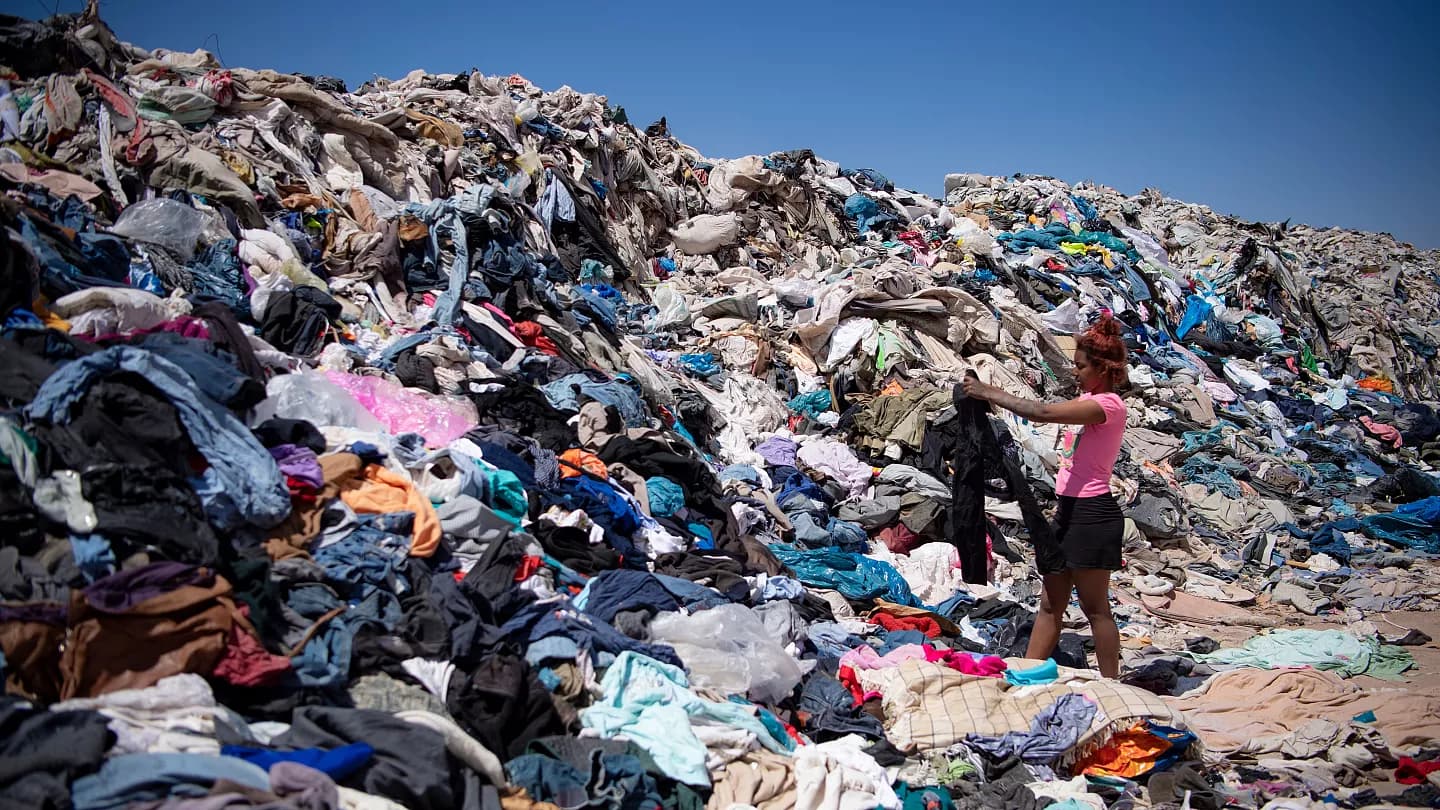
Welcome to the Global Fashion Summit 2027, a yearly summit held in Copenhagen to address fast fashion's destructive impact on the planet, workers, and the invisible labour forces that sustain the industry. The ever-growing fast fashion industry causes tremendous environmental damage, from freshwater reserves to our oceans, contributing significantly to environmental degradation due to its high levels of production and waste. Each year, billions of kilograms of textiles are discarded, with a large portion ending up in landfills where they can take over 200 years to decompose. Garment production also requires vast amounts of water, as the fashion industry is the world’s second-largest water consumer, with a single pair of jeans requiring over 3,781 litres. Furthermore, synthetic materials contribute to microplastic pollution, harming marine ecosystems and human health. Delegates in this committee will have to consider solutions related to waste management, water consumption as well as environmental pollution. This industry also exists to the demise of its workers, with a strong burden placed on the most vulnerable in global supply chains. The fast fashion industry relies heavily on low-cost labour, often concentrated in the Global South where regulations and enforcement are weak. Workers are faced with poor conditions, including low wages, long working hours, wage theft and gender-based harassment. Informal employment worsens the issue by reducing accountability for employers and making it more difficult to monitor labour standards. The Rana Plaza disaster in 2013, among many others, brought to light the poor working conditions and severe risks faced by workers in these global supply chains. In order to address these issues, the committee will need to consider international labour standards, supply chain transparency, and corporate responsibility. These social and environmental crises result from the deliberate blurring of formal and informal boundaries. The fast fashion sector operates within both the formal and informal economies, where the multinational companies operate as registered corporations, yet the bulk of their manufacturing is carried out through unregistered sweatshops or home-based workers paid by the piece. The tier-1 factories that undergo audit and formal agreements subcontract any surplus labour to informal operations beyond the purview and reach of labour legislation. The informal sector is not incidental to fast fashion but is fundamental to the business model since piece-rate pay and lack of formal contracts drive down manufacturing costs more effectively than conventional wage work. Workers in these informal tiers have little access to social protections or enforceable labour rights. To tackle this problem, delegates need to look into the regulation of global supply chains through due diligence legislation, along with the formalisation of informal labour and corporate accountability across global production networks.