Committee profile
Key room details for delegates.
- Room Size
- Single Delegation
- Procedure mix
- Low GA • High Crisis
SSUNS 2026 • Montréal

Specialized Agencies
The Siege of Tyre.
Committee profile
Key room details for delegates.
Delegate documents
Essential links for preparing this committee.
Resources
Committee resources will be added here as they are released.
Use this committee's form to submit your position paper.
Background Guide
This committee's background guide is now available. Use the password provided by your faculty advisor if prompted.
Contact
If you have questions, please contact Eitan Pessin at spec@ssuns.org.
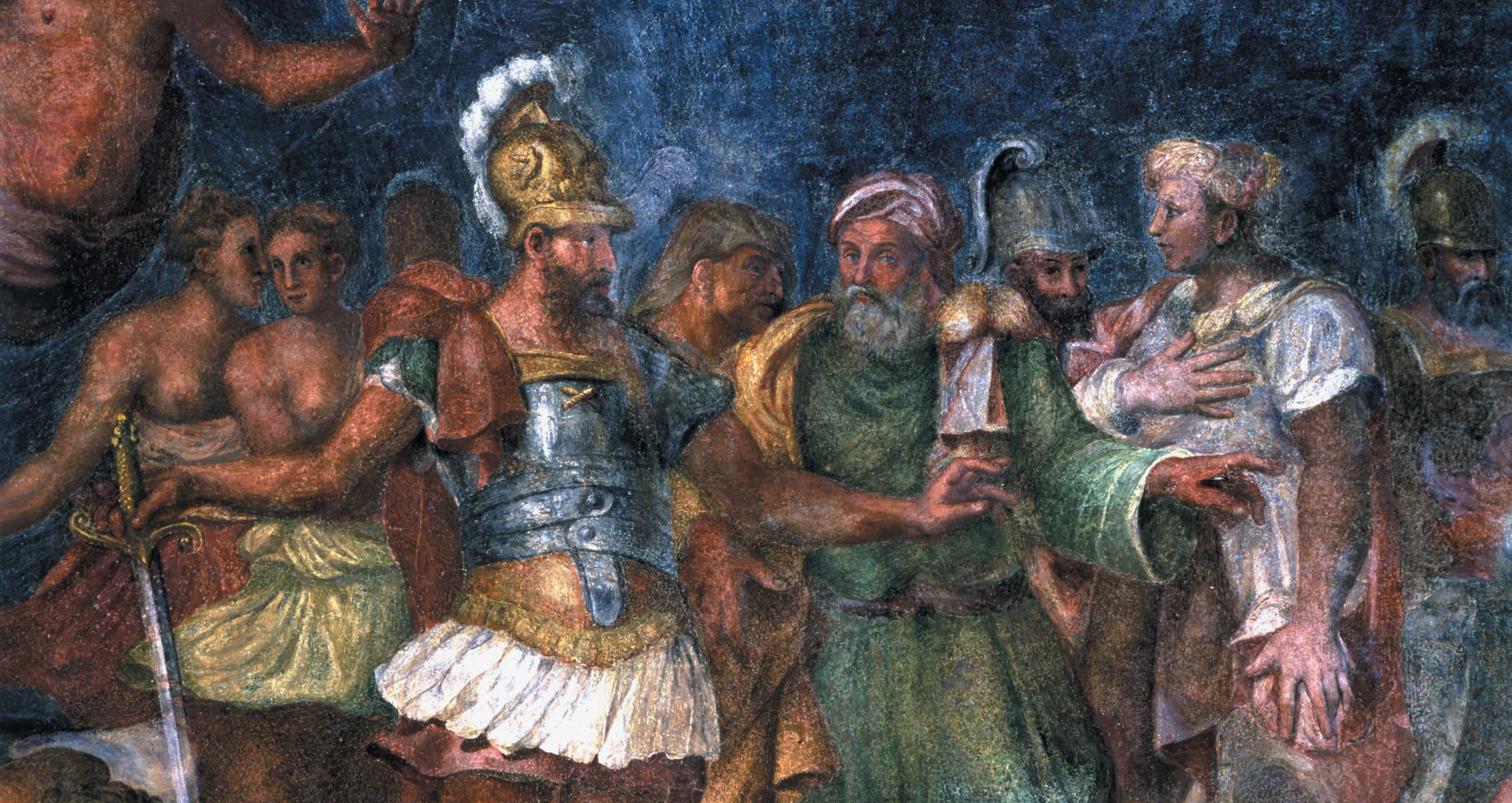
Delegates, welcome to 332 BCE. Prepare for action, as your ingenuity, strategy, and collaboration will be tested in the Eastern Mediterranean. Alexander the Great, the Macedonian king, has his eyes set on conquering the Levant (Syria/Phoenicia) with only seven months to complete this part of his campaign. However, the small island fortress of Tyre stands in his way. Both a trade and maritime powerhouse, famous for its impenetrable walls, navy, and wealthy population, it is a formidable opponent in the region. Alexander has demanded that he and his troops be allowed into the city to make a sacrifice to the god Melqart, the Phoenician equivalent of the Greek god Heracles, and the god of military might, bravery, and strength. Alexander’s desire to sacrifice in Tyre stems from his religious devotion, claim of divine ancestry, and desire to replicate Heracles’ glory, but the Tyrians don’t see it that way. They view Alexander's religious devotion as a Macedonian plot to occupy the city and expand the Macedonian Empire. To counter Alexander’s deception, the Tyrians offer Alexander and his troops the opportunity to sacrifice to Heracles on the mainland in old Tyre, which notably holds no strategic importance or resources. Naturally, this hasn’t satisfied the Macedonian general. Now both the Macedonians and the Tyrians stand on the precipice of conflict. In order for Alexander and his troops to conquer Tyre and expand the Macedonian Empire, they must overcome Tyre’s defences through innovative action before time, resources, and morale disappear. In contrast, the Tyrians face similar challenges in defending their home against the greatest conqueror of their time. In this committee, delegates will form Alexander the Great’s generals and army, leaders of Tyre, and mercenaries, all working toward their own goals of becoming the victors. The success (or failure) of the siege in this committee will depend on the effective integration of four dimensions: naval and military strategy, climate and environmental constraints, social and cultural dynamics, and logistics and engineering innovation. Delegates should apply concepts such as deterrence, alliance-building, and resource management when collaborating to adapt to uncertainty and crises. Whether it’s fueling an ancient Greek war machine or fighting to reset the balance of power in the region, this is a chance to change the course of history, with the fate of the Mediterranean lying in balance. Are you ready for the challenge?