Committee profile
Key room details for delegates.
- Room Size
- Single Delegation
SSUNS 2026 • Montréal

Economic and Social Councils
Preventing the Criminalization of Indigenous Land Defenders in Resource Extraction Conflicts.
Committee profile
Key room details for delegates.
Delegate documents
Essential links for preparing this committee.
Resources
Committee resources will be added here as they are released.
Use this committee's form to submit your position paper.
Background Guide
This committee's background guide is now available. Use the password provided by your faculty advisor if prompted.
Contact
If you have questions, please contact Emma Ristic at gaecosoc@ssuns.org.
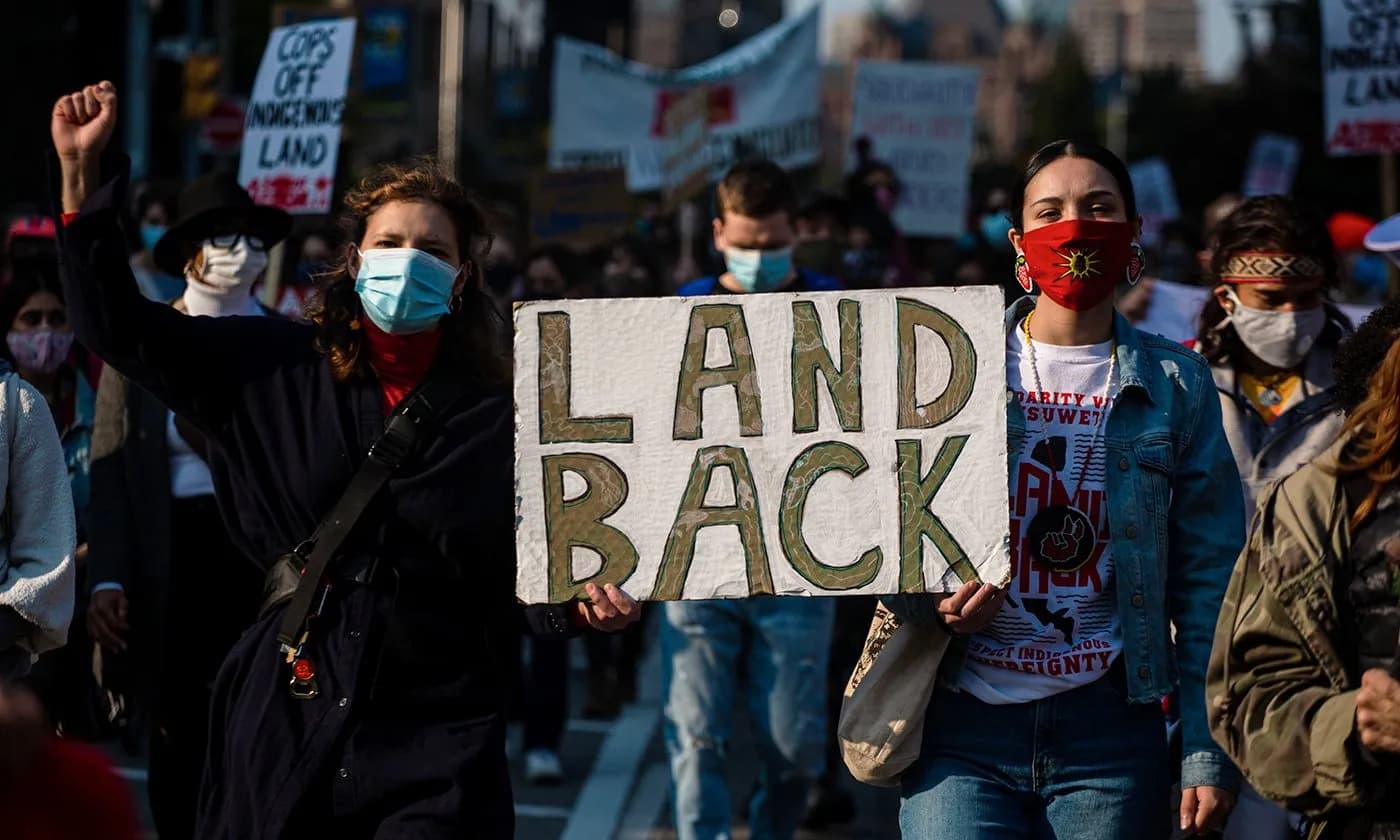
The United Nations Human Rights Council (UNHRC) is the principal intergovernmental body responsible for human rights within the UN. Established by the UN General Assembly in 2006, it is tasked with the promotion and protection of human rights and fundamental freedoms, as well as addressing and remedying human rights violations around the world. Since its founding, the UNHRC has made significant contributions to global human rights, establishing universal periodic reviews for member states and strengthening accountability mechanisms in the face of serious violations. This committee will focus on human rights within the context of Indigenous resistance to government-backed land and resource extraction projects. Indigenous populations have historically been marginalized, their ancestral ties and territorial rights consistently disrespected and undermined by government policy; giving rise to land defender movements and organized resistance across the globe. These movements have increasingly become targets of the state, with participants criminalized and subjected to heightened surveillance as a consequence of their resistance. This committee will examine the issues surrounding the criminalization of Indigenous land defenders through a three-phase lens: the tactical use of force during mobilizations, the corporate-state relationships which incentivize the mistreatment of protesters, and the extensive surveillance imposed in the aftermath of protest activity. Each of these three phases addresses distinct human rights violations at different stages of Indigenous land movements. In the first phase, the use of physical force to suppress or disperse protesters raises concerns regarding violations of the right to freedom of assembly and the right to security of person, while illuminating a broader systemic failure that has enabled violent state retaliation against peaceful Indigenous demonstrations. The second phase examines how corporate-state relationships have incentivized the mistreatment of land defenders, relationships that not only create structural barriers to Indigenous sovereignty, but that frequently yield economic and political benefits from the suppression of Indigenous resistance. The third phase considers how post-protest surveillance of land defenders constitutes a violation of the right to privacy. Protesters are routinely designated as threats to the state and subjected to disproportionate monitoring, which not only infringes upon privacy rights but engenders a climate of fear that deters future assembly and resistance. Delegates will examine these three dimensions, exploring how each infringes upon the human rights of protesters and deliberating on the development of stronger international frameworks to advance the decriminalization and protection of Indigenous land defenders.